Events & Outreach Opportunities
The Write Project
The WRITE project, led by Dr. Hope K. Gerde and funded by the Institute of Education Sciences, aims to support the development of early reading and writing skills for preschool-aged children, including composing ideas, handwriting, understanding that writing conveys meaning, and spelling. The WRITE System includes iWRITE, a fully online professional learning program for early childhood educators to promote high quality early writing opportunities in the classroom as well as a set of early writing assessment. Through additional funding from the Institute of Education Sciences, we are currently creating two writing assessments, the cWRITE, an assessment to understand children’s current writing skills, and the tWRITE, an observational system to understand how a preschool teacher is supporting their students’ writing and areas where they could improve using the iWRITE.
- (in press). Teachers’ beliefs and usage of video exemplars and engagement features of an online professional learning system for promoting early writing. Technology, Knowledge, and Learning. IF: 3.3 https://doi.org/10.1007/s10758-023-09702-5
- (2023). Using the science of early literacy for professional development for writing. In S. Cabell, N. Patton-Terry, & S. Neuman (Eds). Handbook on the Science of Early Literacy. Guilford.
- (2023). Early childhood teachers’ writing beliefs and practices. Frontiers in Psychology, 14. IF: 3.8 https://doi.org/10.3389/fpsyg.2023.1236652
- (2022). Examining teachers’ early writing knowledge and practices. Reading and Writing, 35, 2201-2227. https://doi.org/10.1007/s11145-022-10299-x IF: 2.87
- (2022). Supporting the writing development of emergent bilingual children: Universal and language specific approaches. The Reading Teacher, 76(4), 390-399. IF: 1.78
- (2021). Self-Regulation moderates the relationship between fine motor skills and writing in early childhood. Early Childhood Research Quarterly, 57, 239-250. doi: 10.1016/j.ecresq.2021.06.010
- (2021). Who writes what when?: Examining children’s early composing. Reading and Writing: An Interdisciplinary Journal, 34, 79–107. https://doi.org/10.1007/s11145-020-10063-z
Texas Play & Development Conference
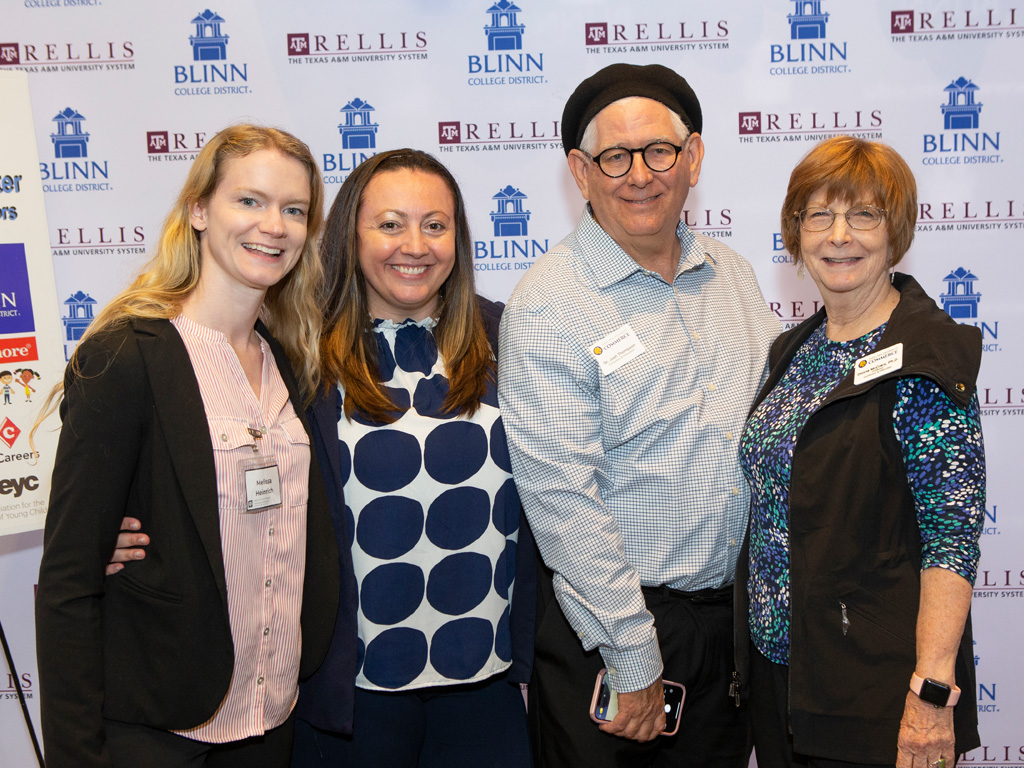
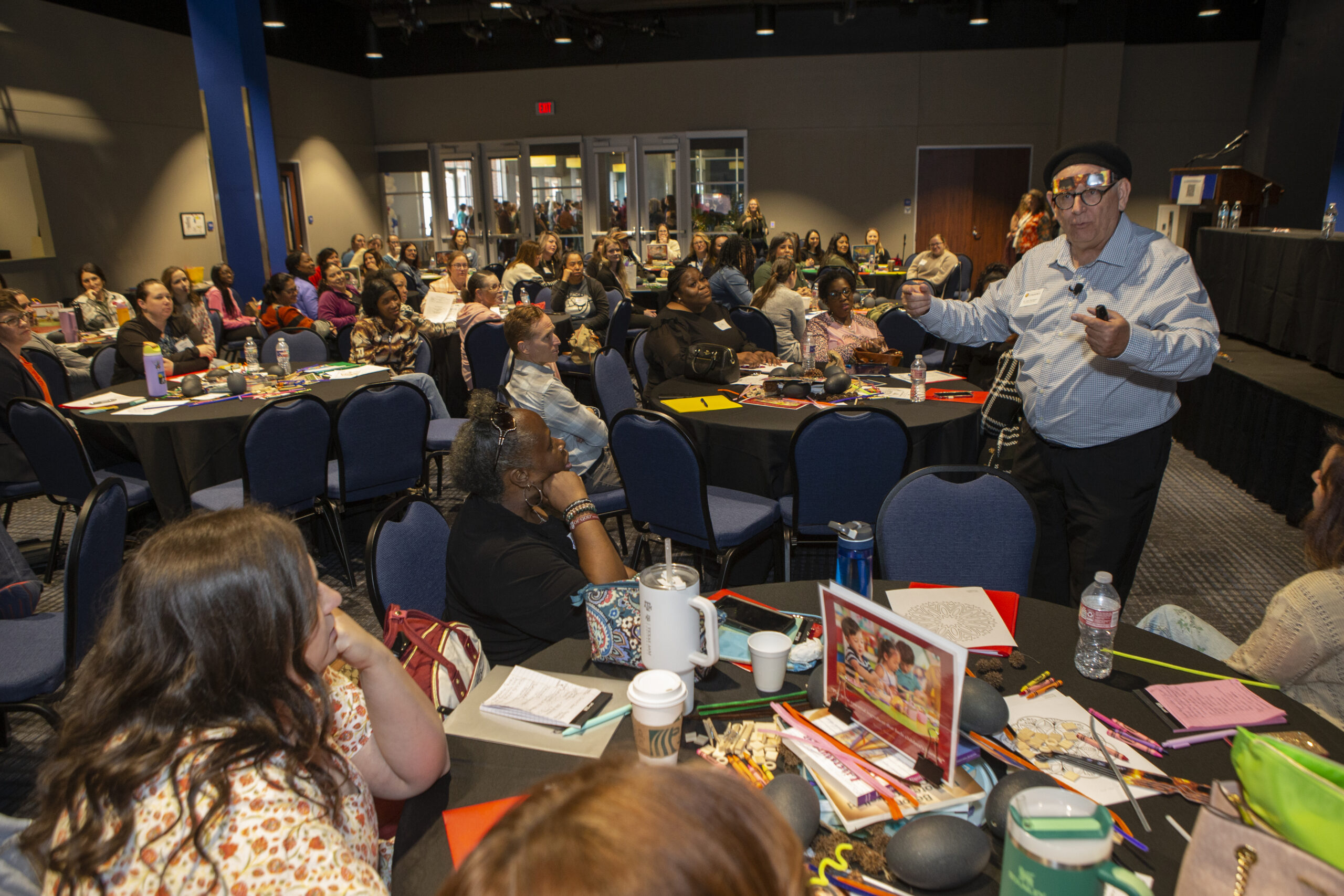
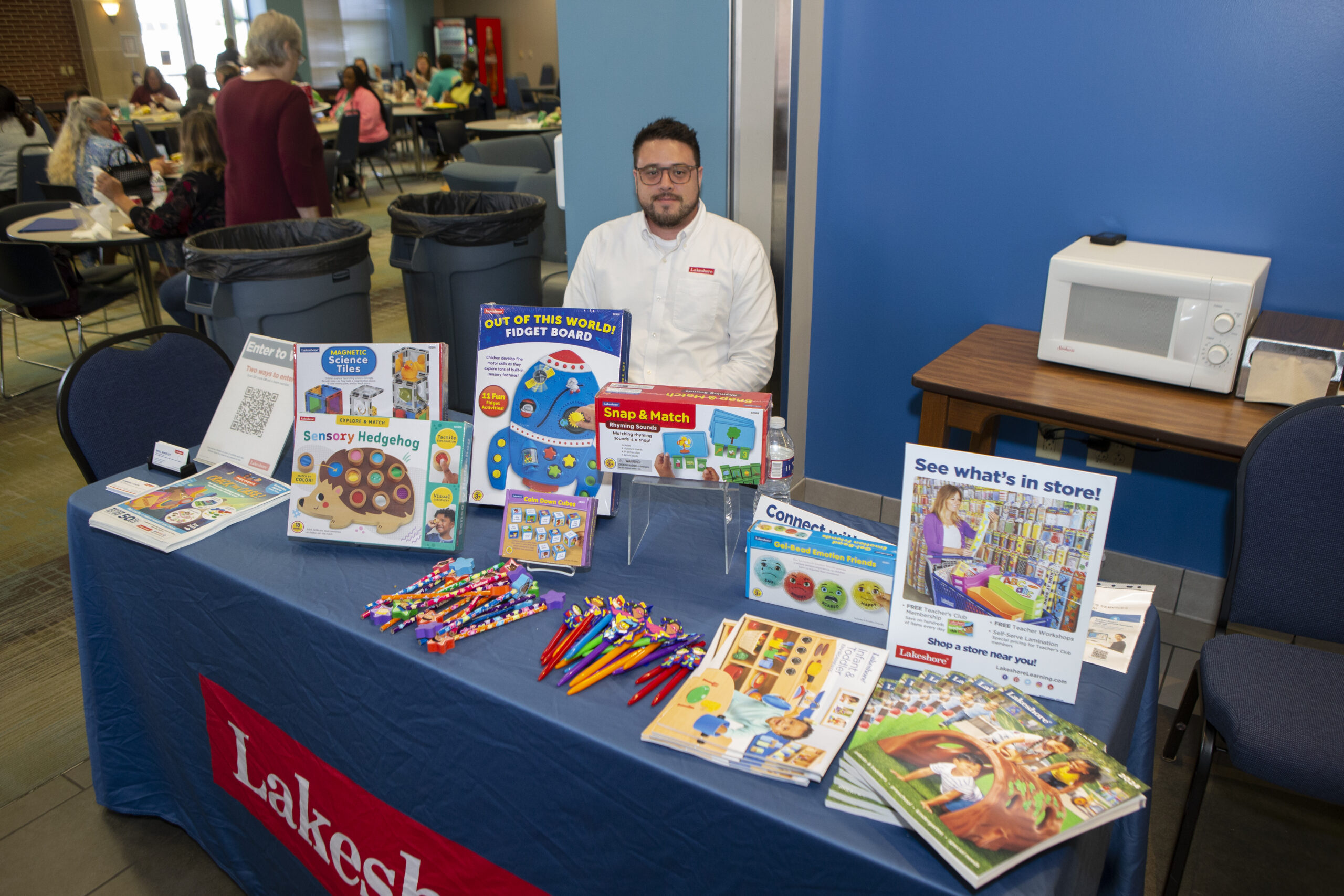
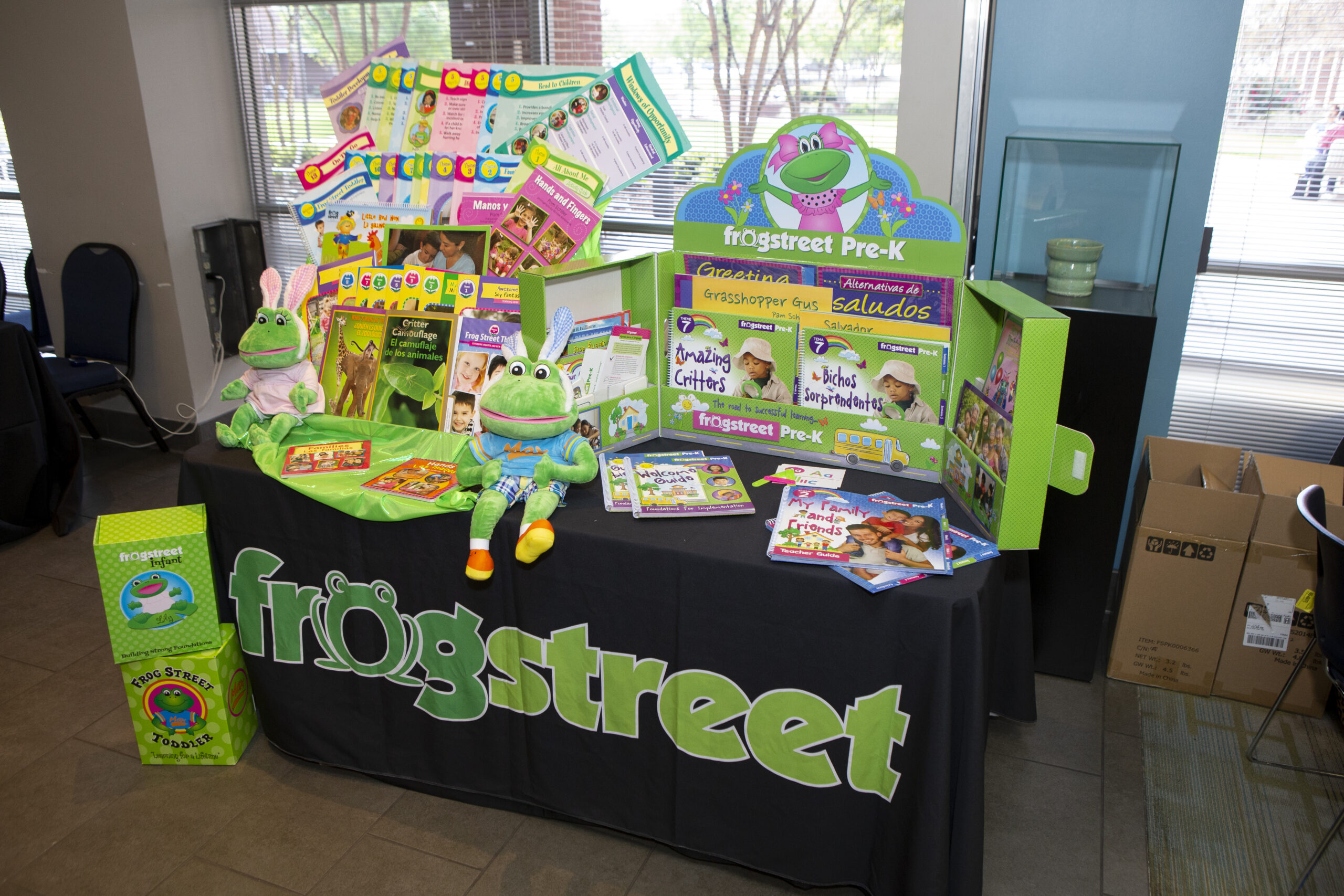
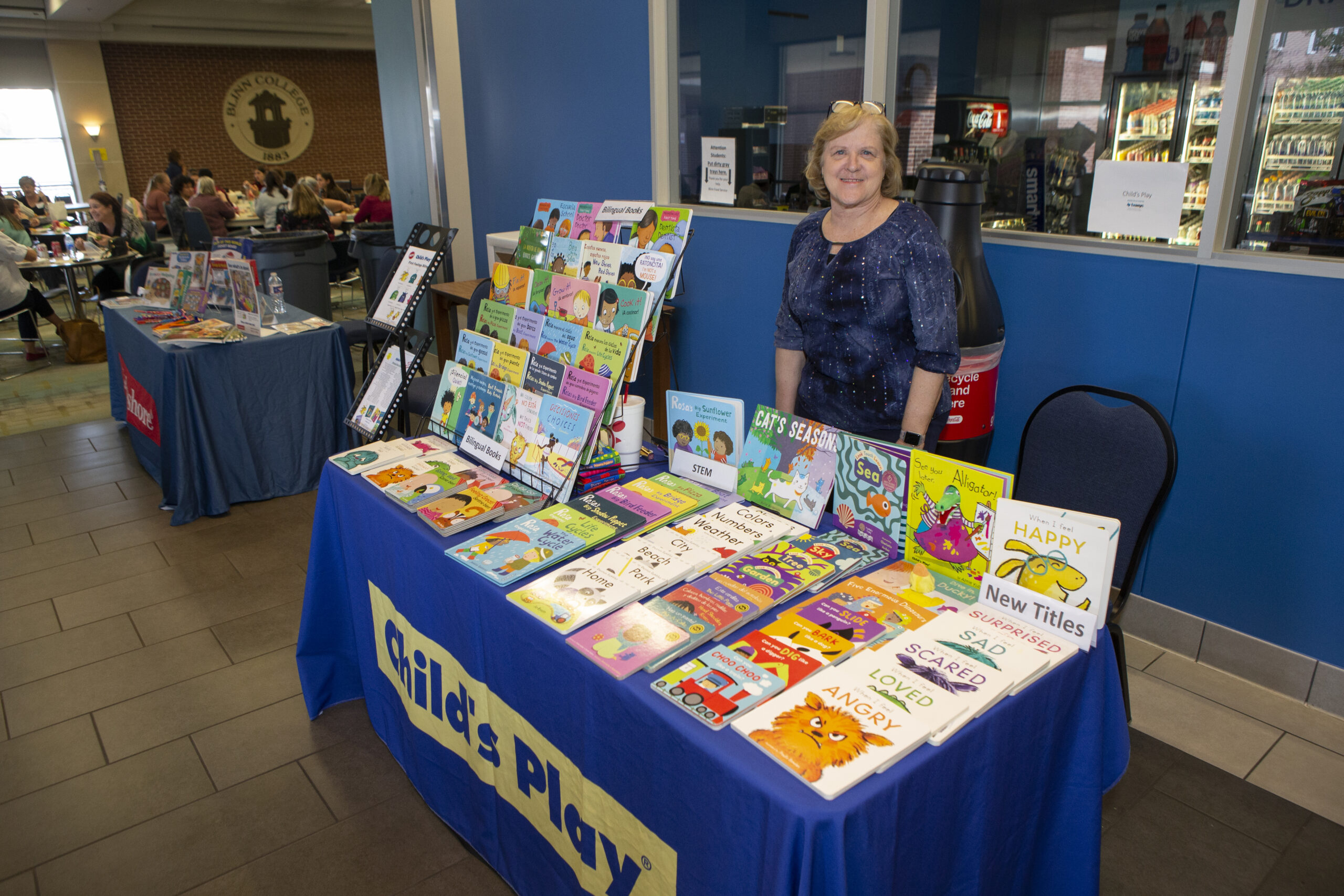
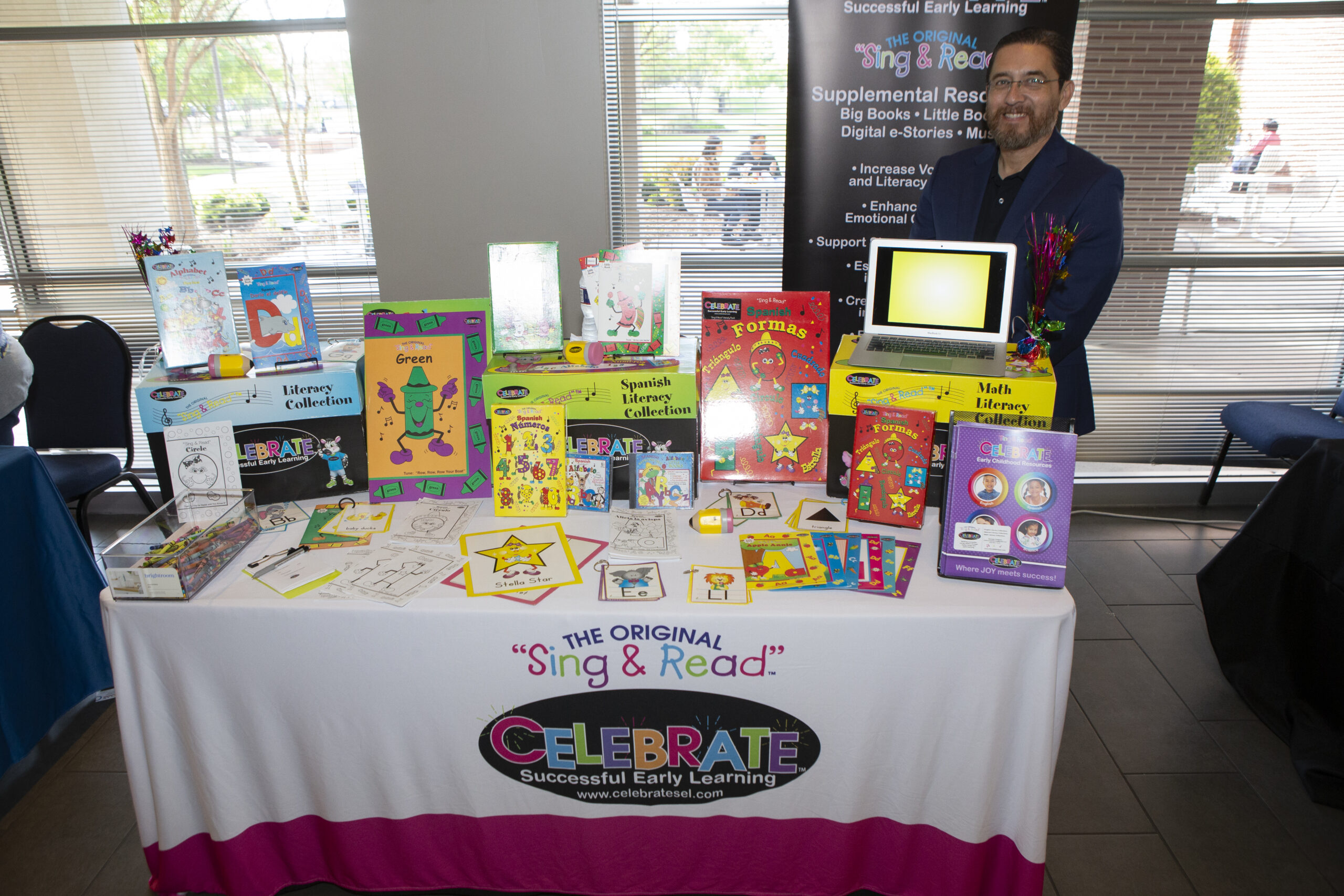
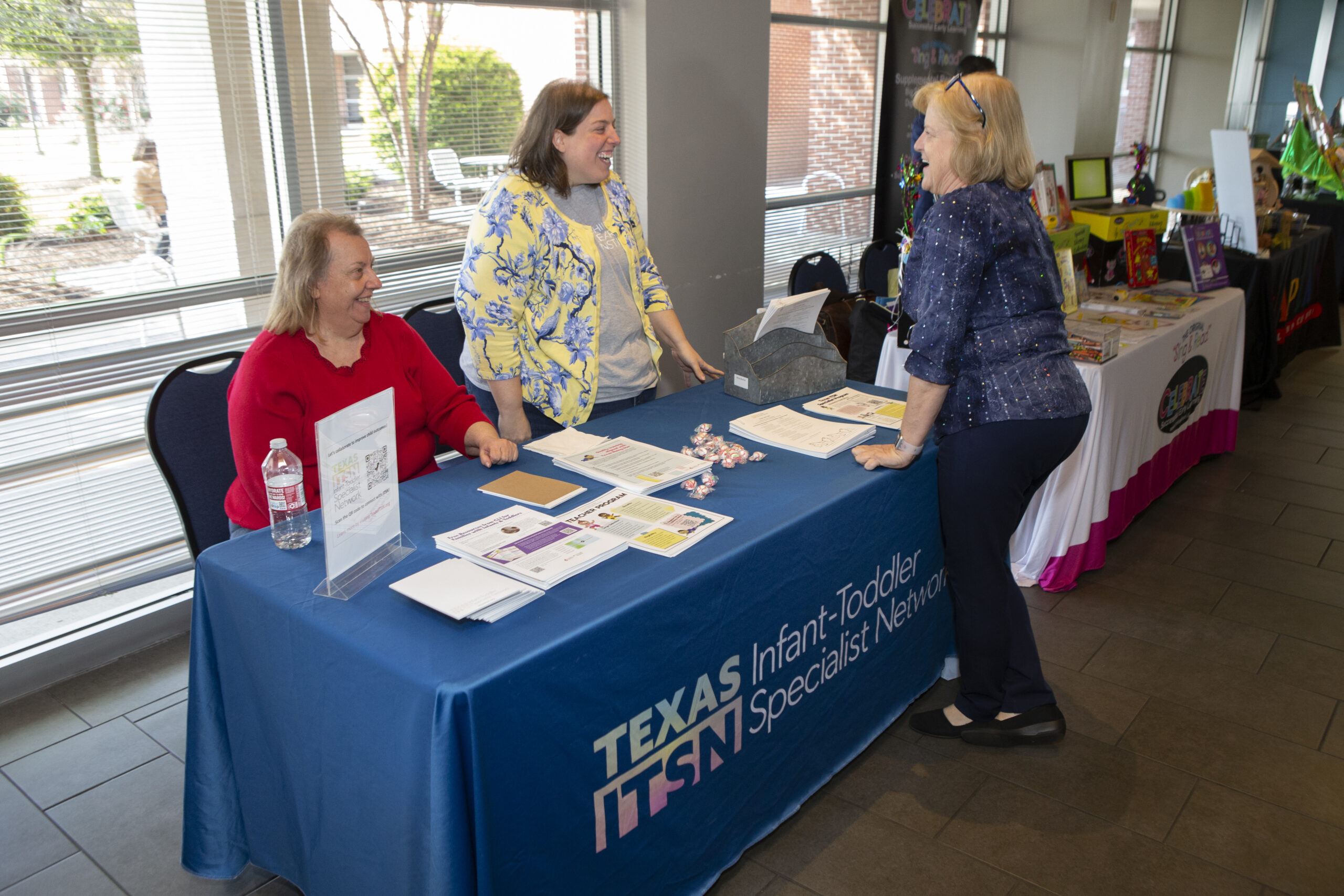
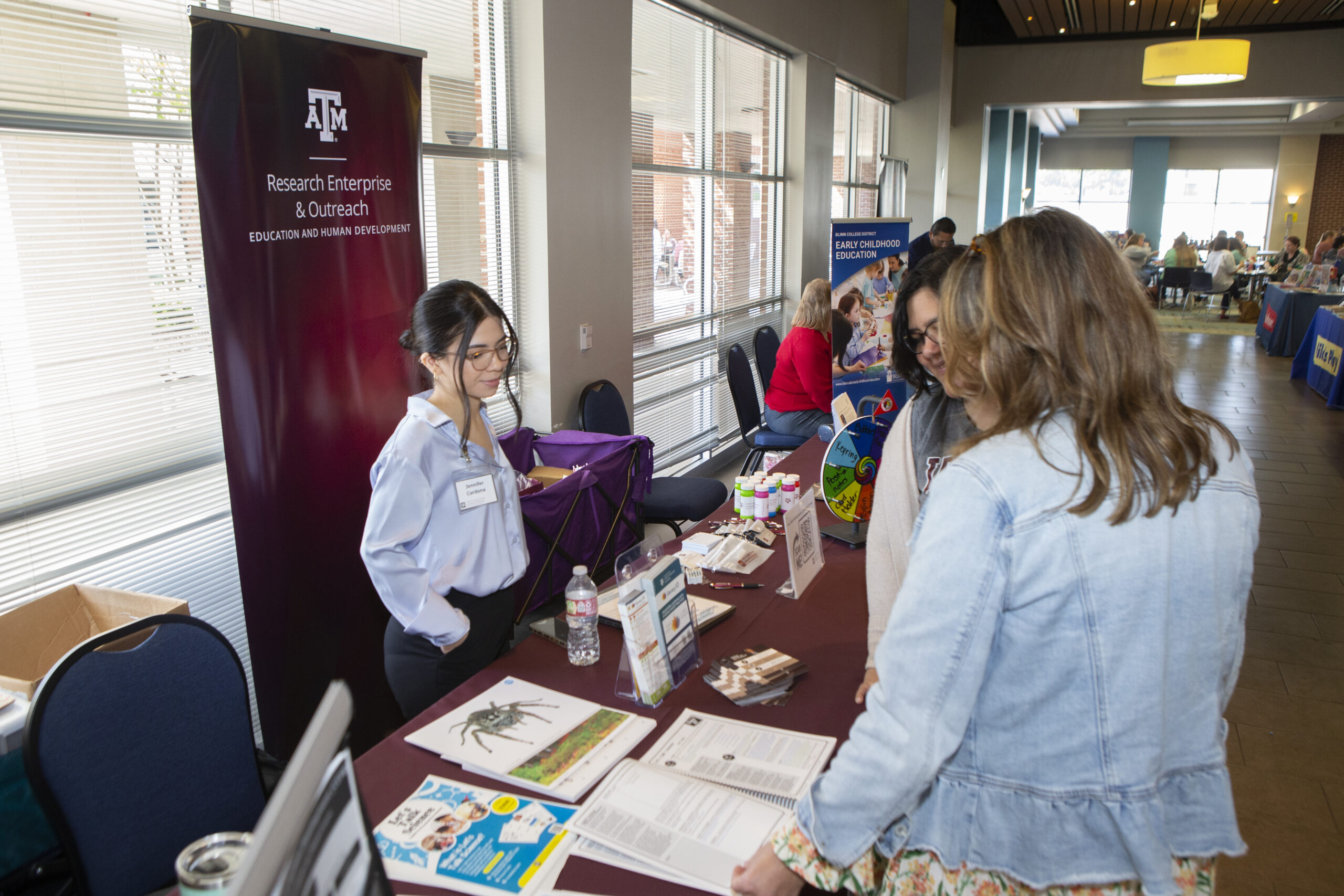
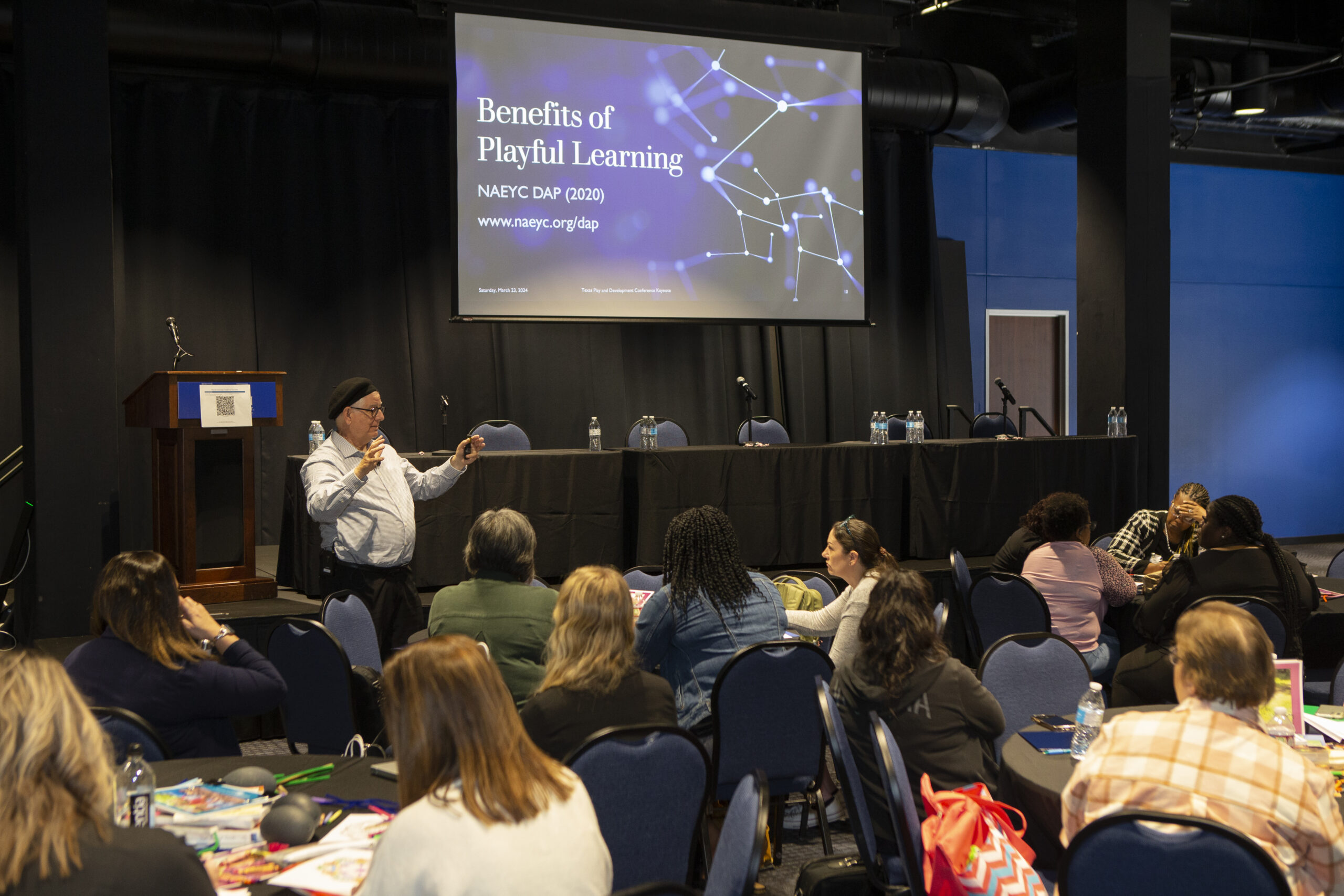
The Institute partners with a range of early childhood professionals across Texas. The Institute partners with Blinn College and Texas Association for the Education of Young Children to bring you the Texas Play and Development Conference.
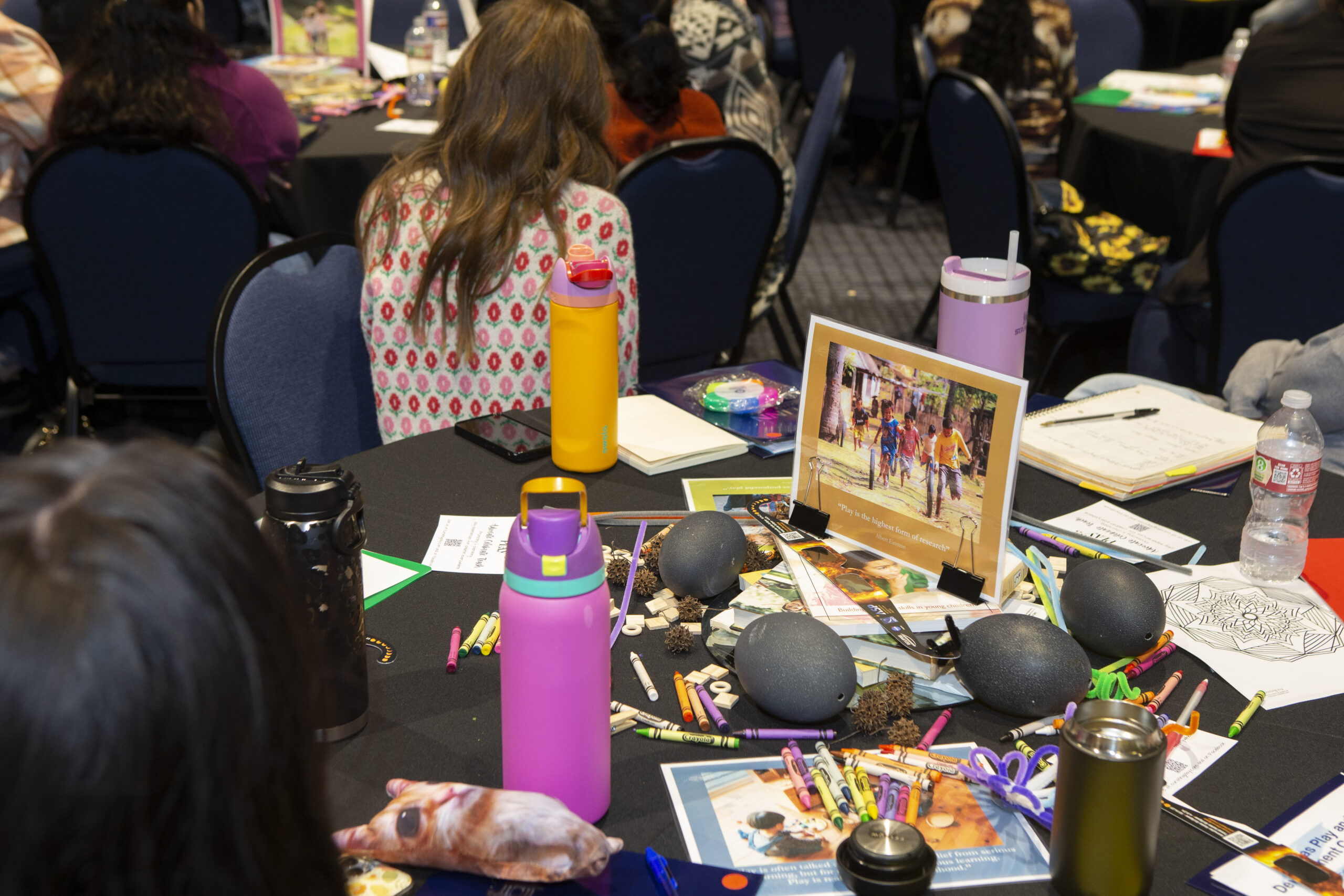
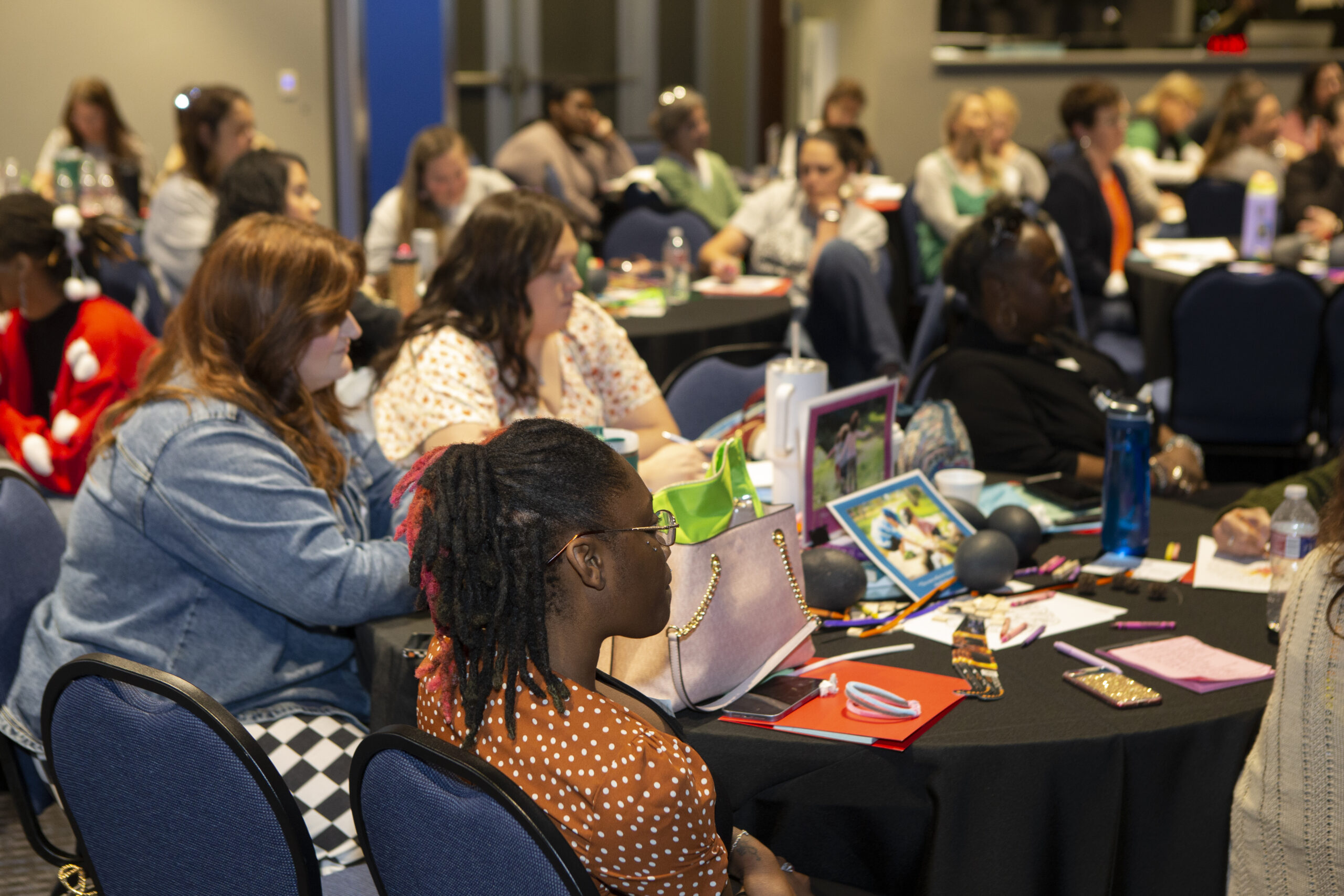
This annual event provides engaging keynote speakers and research-based workshop style professional learning for early educators. Join us to network with early childhood colleagues and earn six hours of TECPDS.


Early Childhood Summit
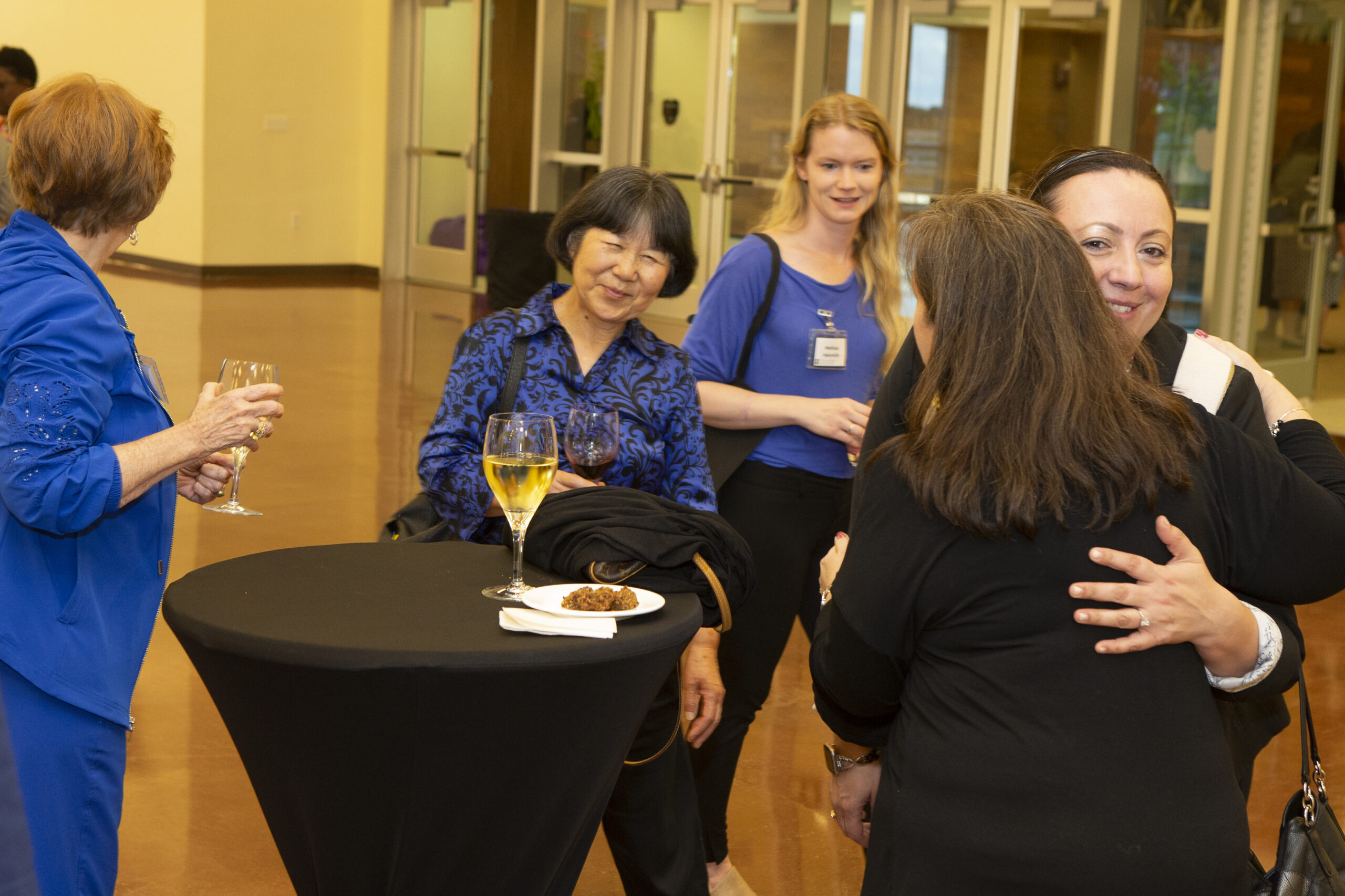
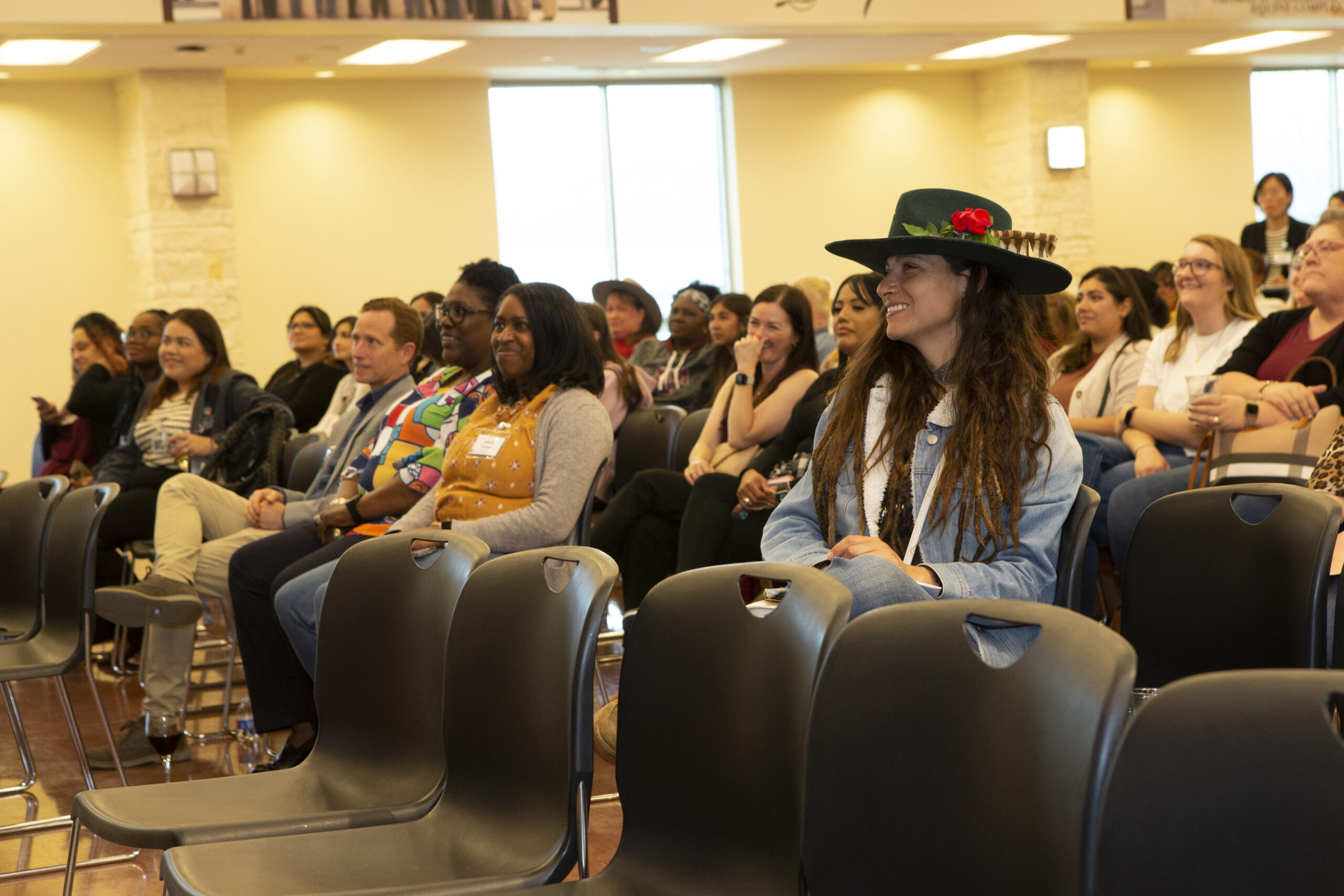
We help shape early childhood education by hosting the annual Texas Early Childhood Summit, where research and policy intersect to shape the future of early childhood education.
This inspiring event will bring together experts, policymakers, and practitioners to explore critical connections in early childhood research and policy. Expect engaging discussions, networking opportunities, and valuable insights that can make a lasting impact.


Aggie Opportunities
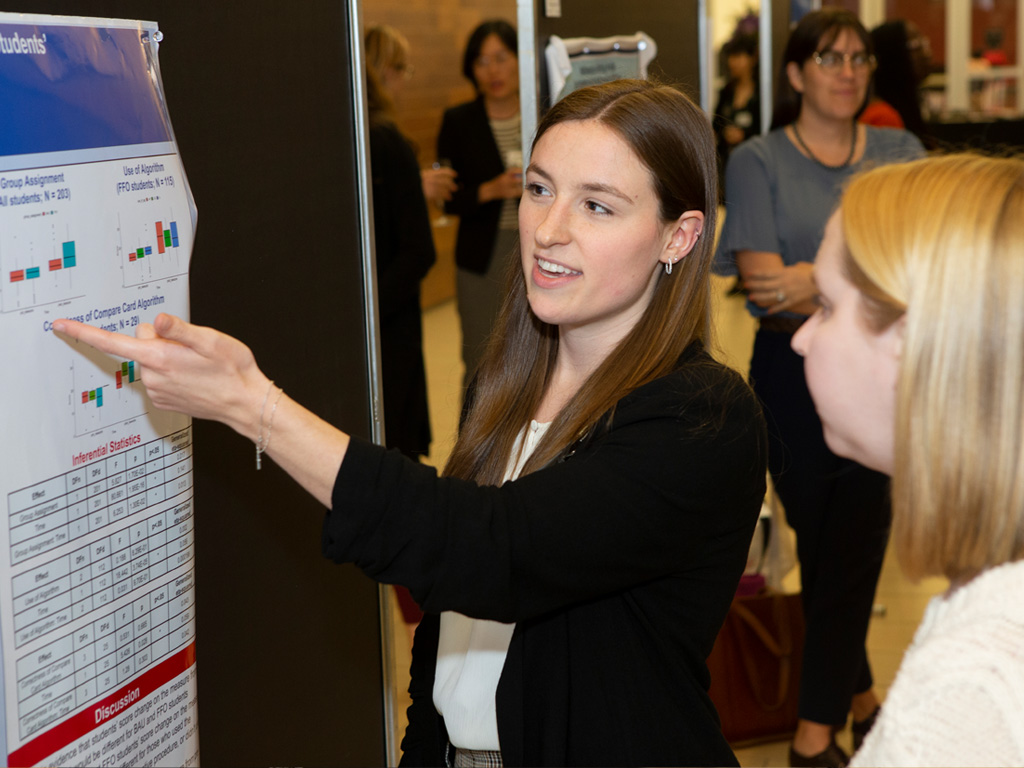
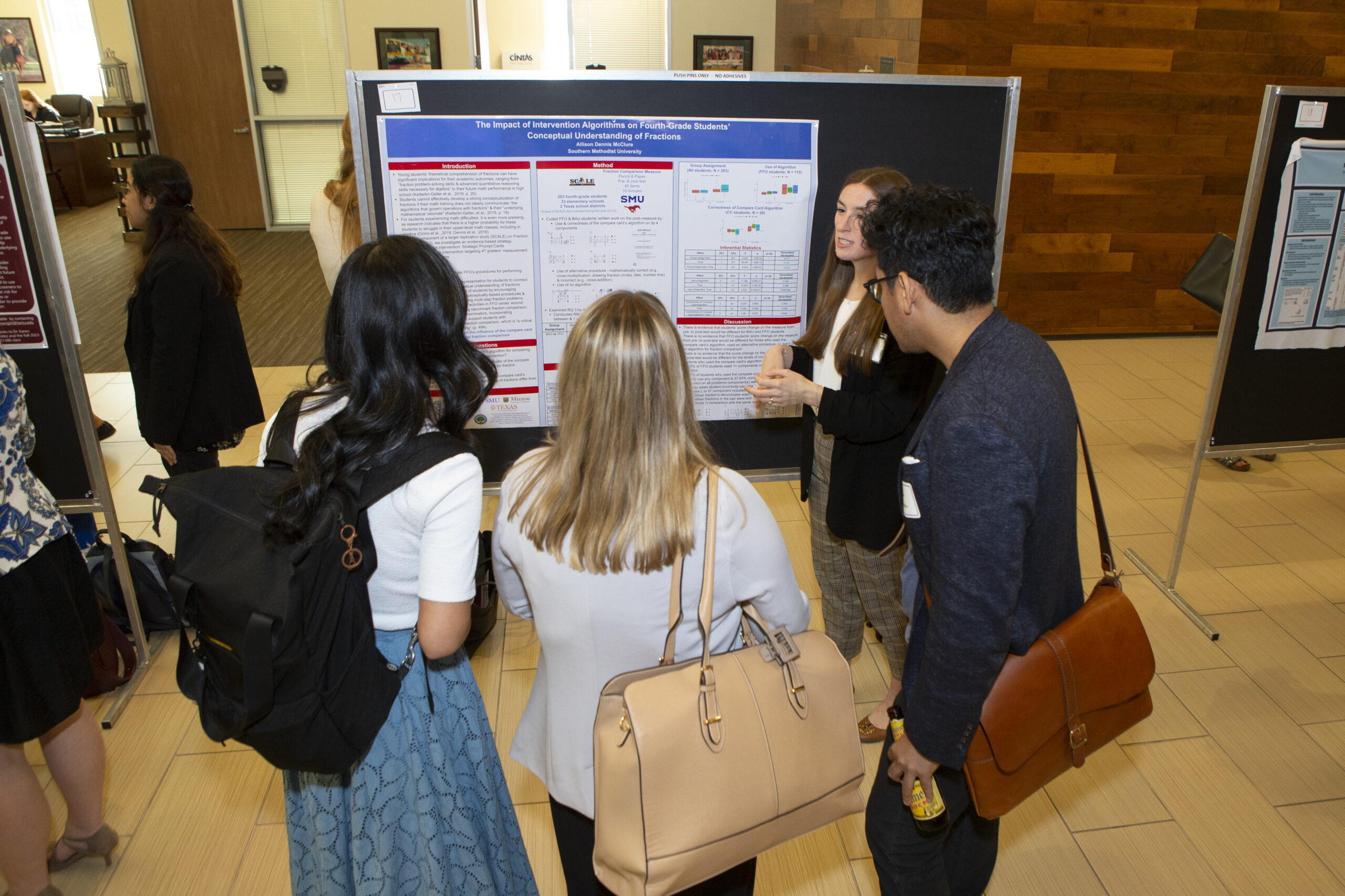
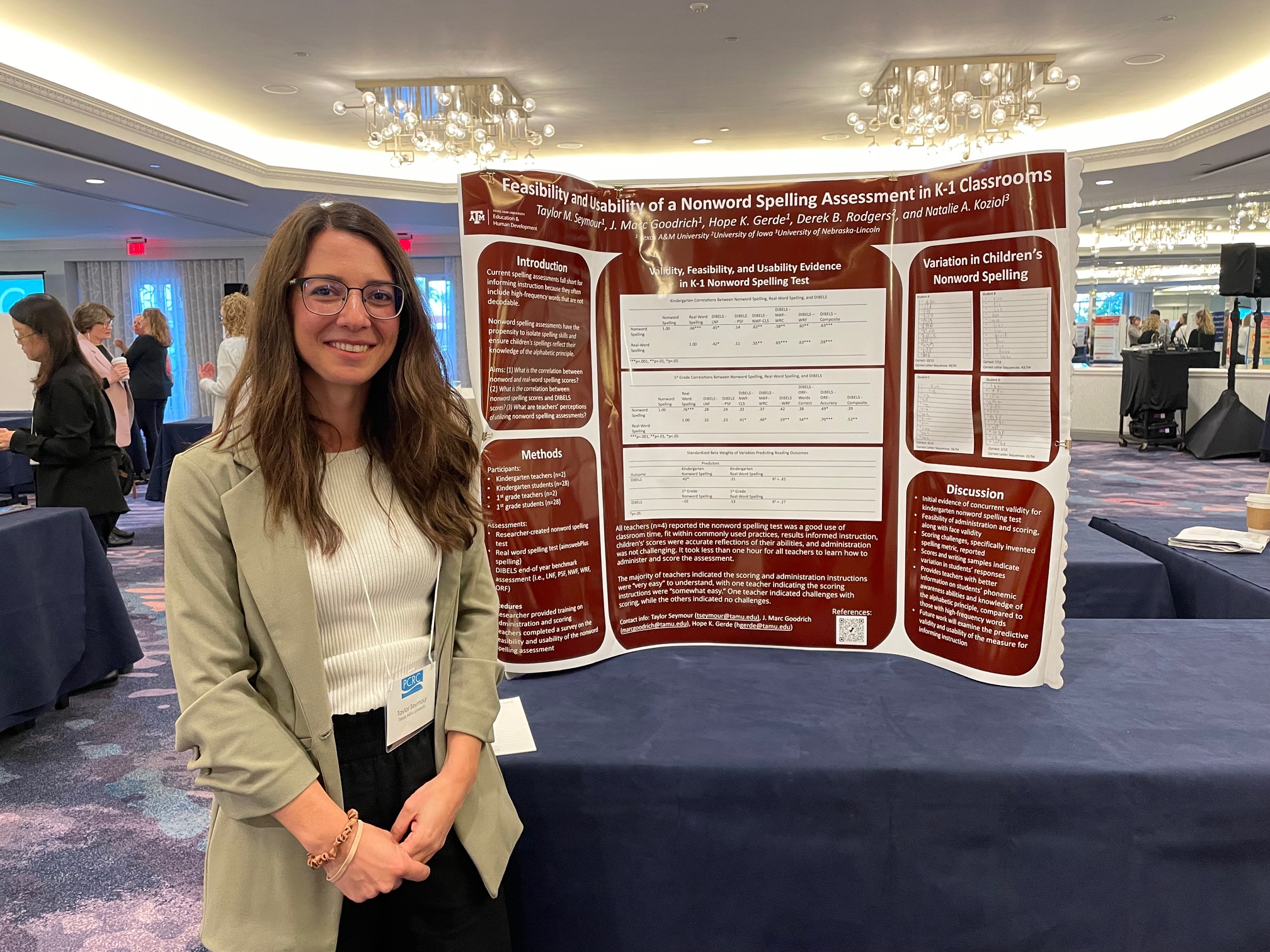
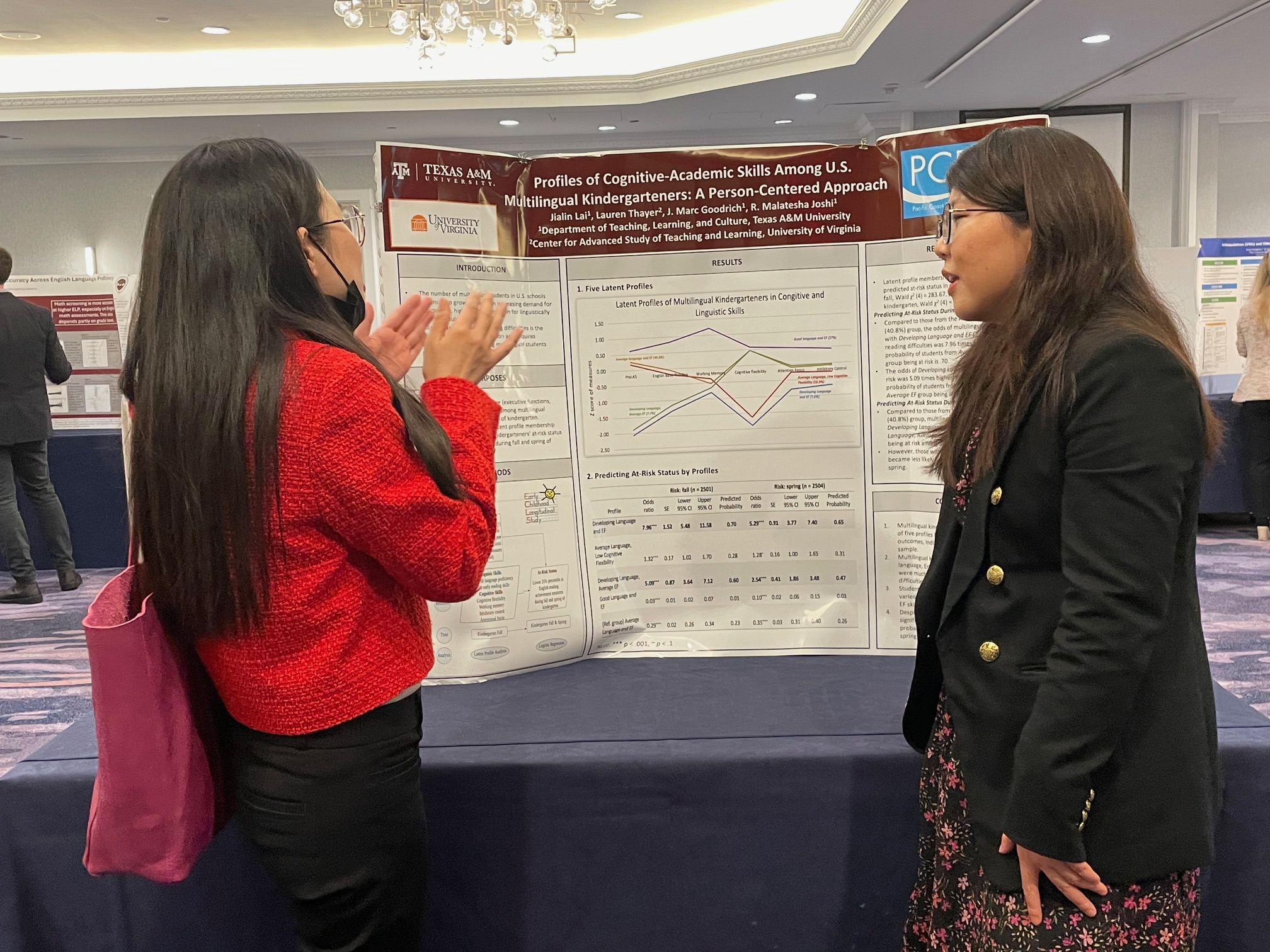
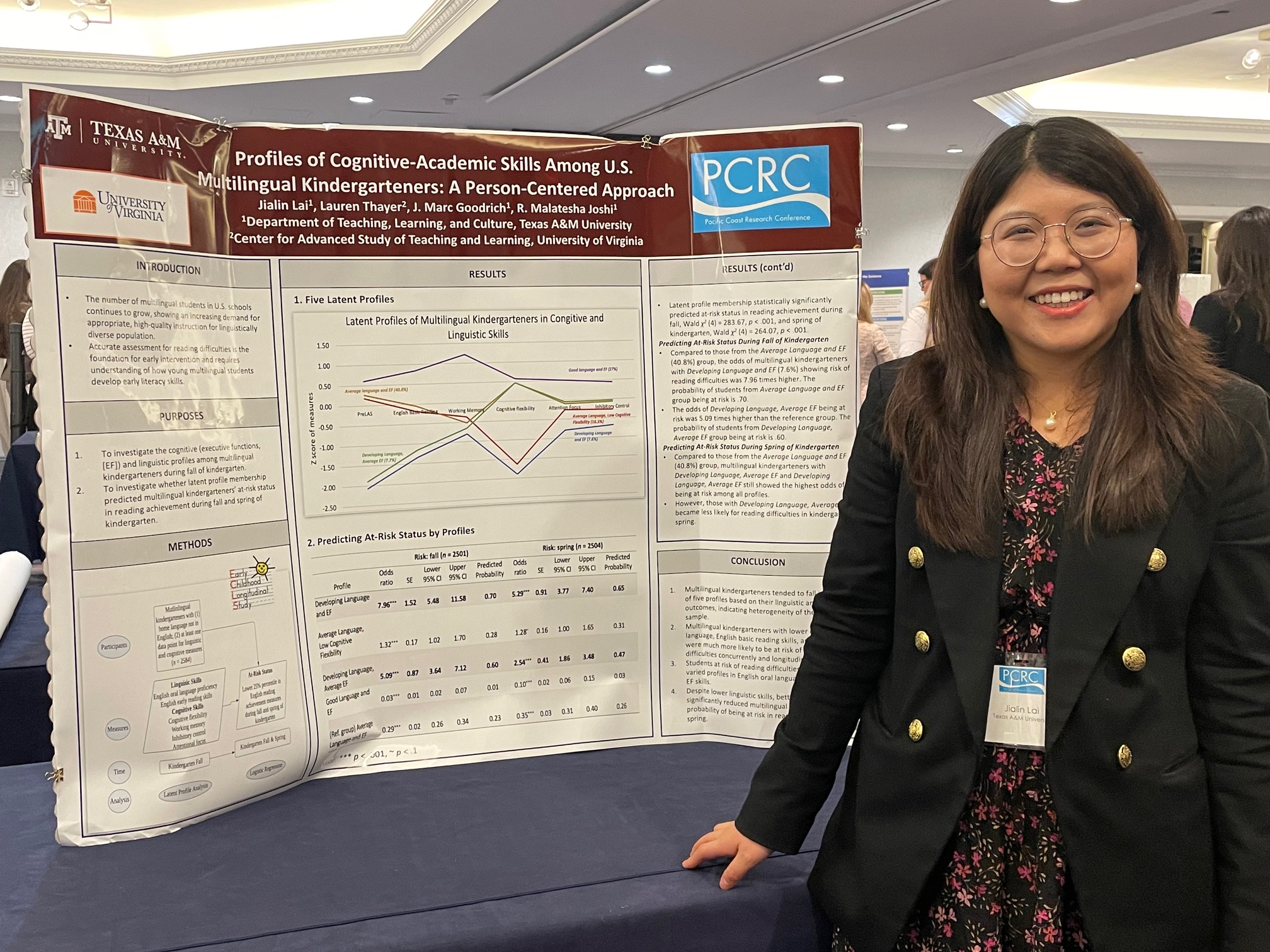
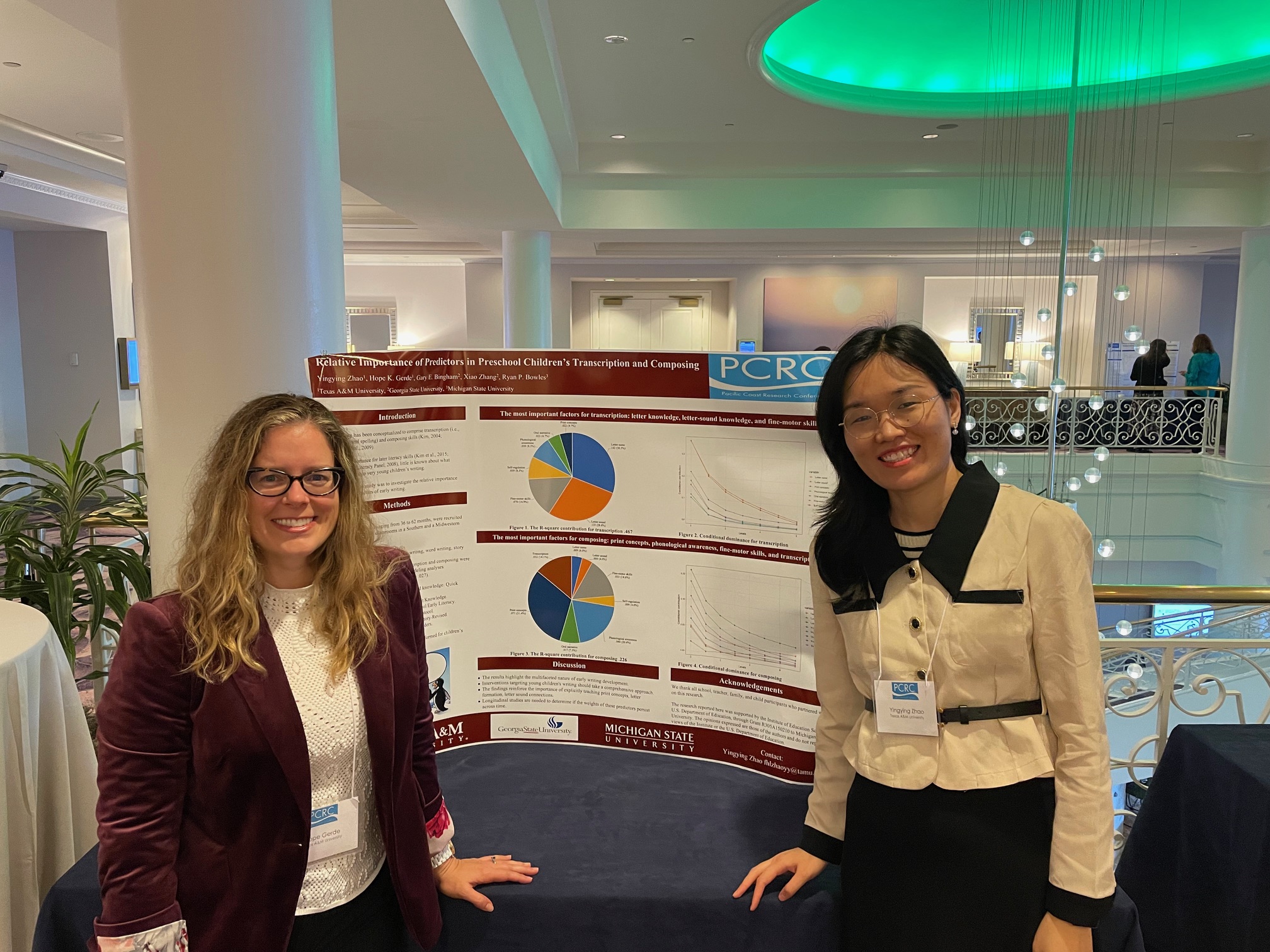
Using an apprenticeship model, Institute faculty mentor students through each step of the research process from idea generation to dissemination of research. Students are encouraged to present their research at local, state, and national conferences and supported to publish in peer-reviewed journals.
To learn more about research opportunities at The Institute contact Jenn Cardona

Project NEST
Grounded in evidence-based practices, the project addresses three key challenges identified by the State:
- Training early childhood educators to support neurodiverse learners
- Equipping teachers to promote positive behavior for all children
- Fostering social development, peer interaction, and play
By promoting local teams to lead Project NEST aims to strengthen rural community connections, enhance educator capacity, and improve outcomes for young children with and without disabilities, while also generating pilot data to inform potential statewide expansion.
BIRDI Project
We are currently working with schools in Texas and South Carolina to examine these issues in kindergarten, first grade, and second grade students.
Research assistants working in the BiRDI lab have opportunities to gain numerous research skills, including administering standardized assessments of academic skills, working with school staff, data entry and project management skills, and opportunities to learn to disseminate results of research projects.